
Understanding Base Oils, Additives & Viscosity Modifiers
Base oils are the fundamental building blocks of finished lubricants, typically comprising 70-90% of the final product. Understanding how they're manufactured and classified helps you make informed decisions about lubricant selection.
How Base Oils Are Manufactured
Lubricant base oils are produced through a series of refining steps designed to enhance desirable properties including viscosity index, oxidation resistance, thermal stability, and low-temperature fluidity.
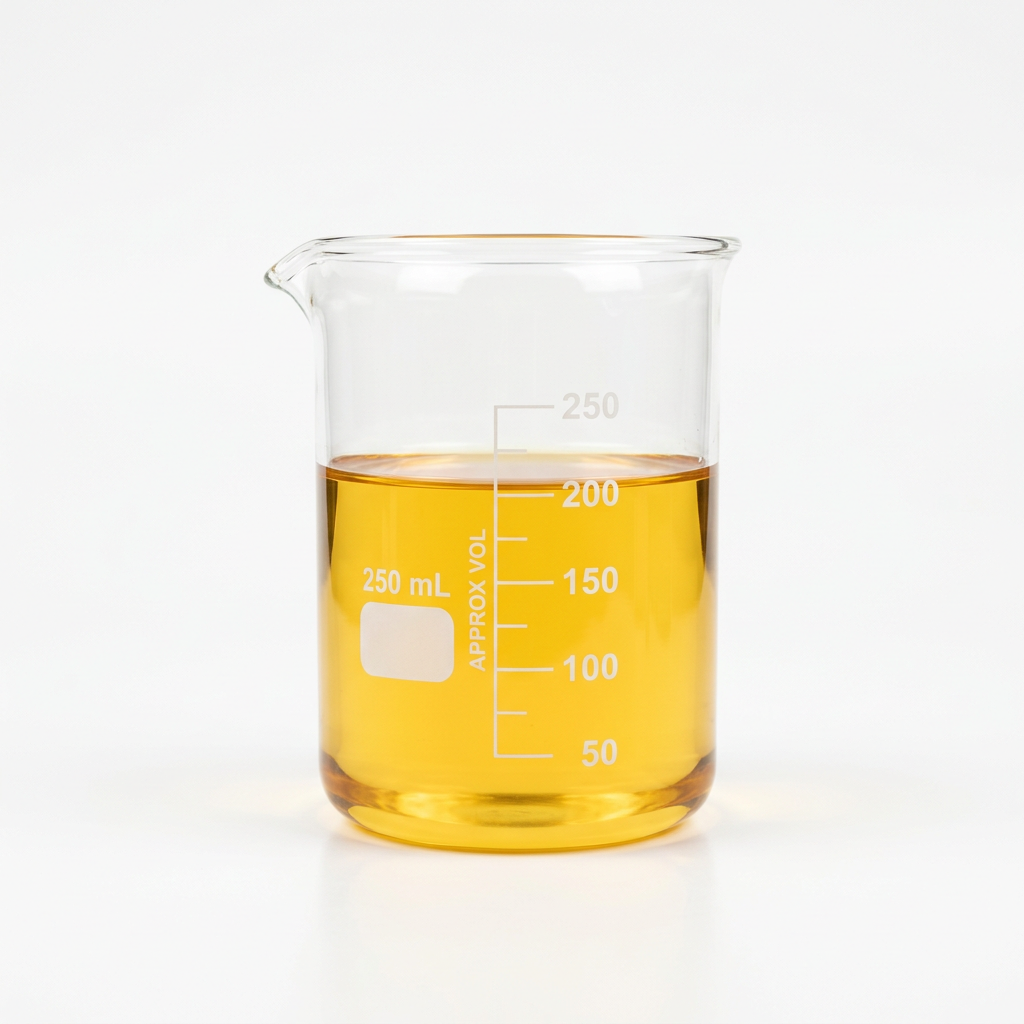
The traditional method for producing Group I base oils:
- 1Atmospheric distillation separates lighter products (gasoline, diesel)
- 2Vacuum distillation isolates specific viscosity grades
- 3Solvent extraction removes 70-85% of aromatic material
- 4Dewaxing by chilling improves low-temperature fluidity
- 5Mild hydrofinishing improves color and stability
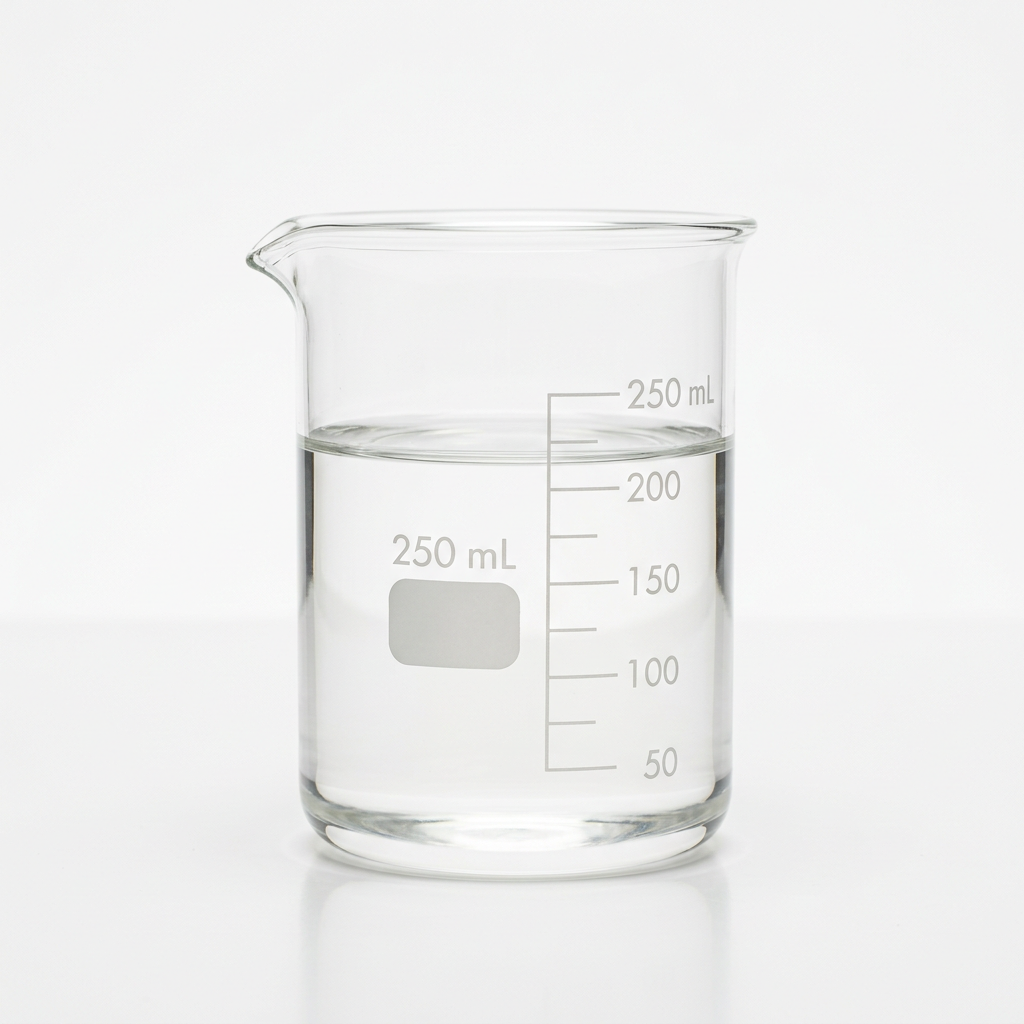
The modern method for producing Group II and II+ base oils (and the starting point for Group III):
- 1Feedstock reacts with hydrogen at ~400°C (752°F) and 3000 psi
- 2Removes sulfur, nitrogen, and oxygen compounds
- 3Converts aromatics to saturated cyclic hydrocarbons
- 4Second-stage hydrotreating maximizes saturation
- 5Produces water-white, 99.9% pure base oil
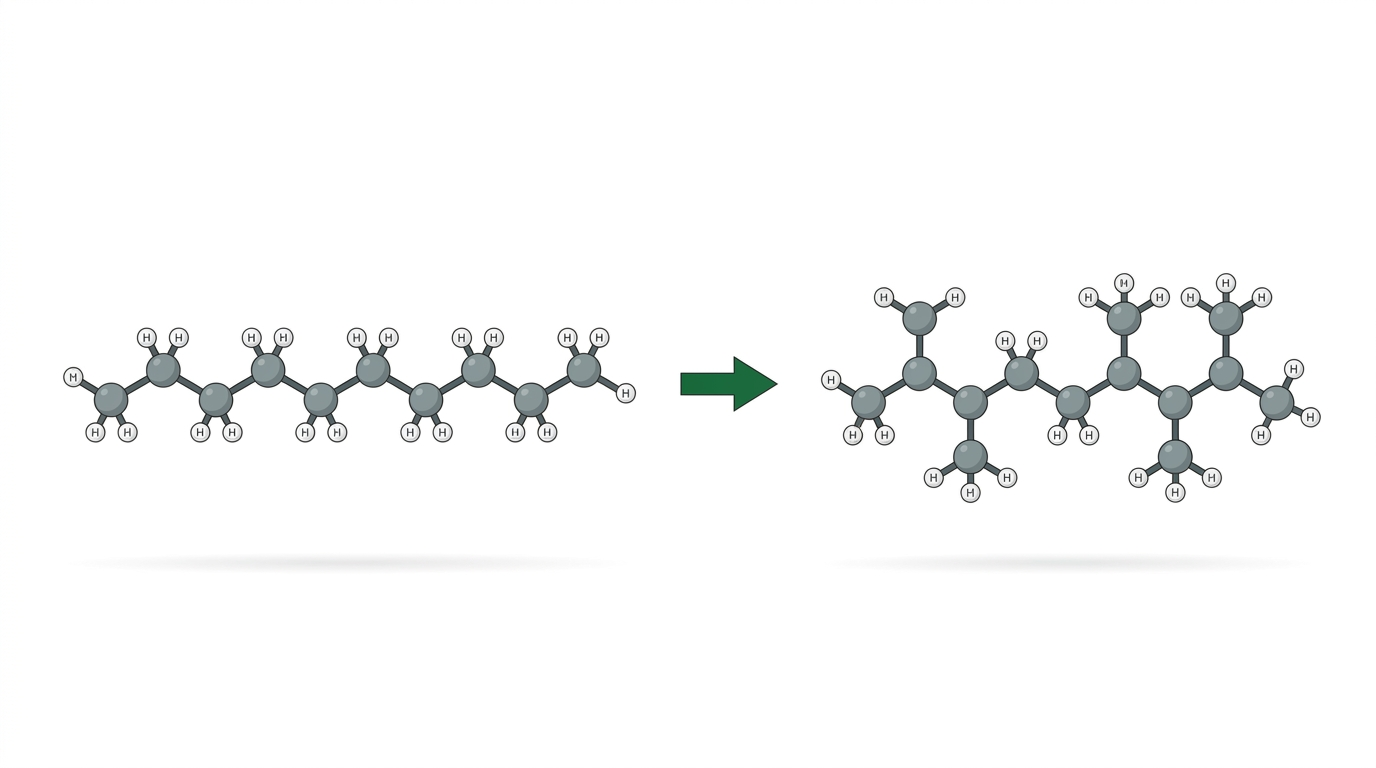
Hydroisomerization: The Key to Group II+ and III
A specialized catalyst selectively isomerizes wax (long-chain n-paraffins) into high Viscosity Index (VI), low pour point isoparaffinic base oil. This process can produce base oils with a Viscosity Index (VI) above 130 and pour points below -25°C (-13°F). The resulting base oils have performance characteristics very similar to synthetic polyalphaolefins (PAO).
API Base Oil Classification System
The American Petroleum Institute (API) classifies base oils into five major groups based on sulfur content, saturate levels, and viscosity index. These groups fall into four families based on their origin and manufacturing process.
Four manufacturing routes, from least to most processed
The big divide is between Group I and Group II. Group I is solvent refined, meaning impurities are washed out. Group II and II+ are hydrotreated, meaning impurities are chemically converted with hydrogen. Both come from crude oil, but hydrotreated oils are far purer, clearer, and more oxidation resistant.
Solvent Refined Mineral
Refined from crude oil by using solvents to wash out aromatics, then chilled to remove wax. The molecules are separated, not chemically changed, so more sulfur, nitrogen, and aromatics remain in the finished oil.
- Sulfur
- >0.03%
- Saturates
- <90%
- Viscosity Index (VI)
- 80-119
- Method
- Solvent Refined
Conventional base oils manufactured by solvent refining. Still used in applications where their solvency characteristics are beneficial.
Hydrotreated Mineral
Reacted with hydrogen at high temperature and pressure. Instead of just removing impurities, hydrotreating chemically converts them, saturating aromatics and stripping out sulfur and nitrogen to produce a clearer, more stable oil.
- Sulfur
- ≤0.03%
- Saturates
- ≥90%
- Viscosity Index (VI)
- 80-119
- Method
- Hydrotreated
Purer than Group I with excellent oxidation resistance. Produced through severe hydrotreating at high temperatures and pressures.
- Sulfur
- ≤0.03%
- Saturates
- ≥90%
- Viscosity Index (VI)
- 110-119
- Method
- Hydrotreated
Higher Viscosity Index (VI) than standard Group II. Offers improved performance across wider temperature ranges.
Synthetic Mineral
Produced through severe hydroprocessing and hydroisomerization of mineral oil. These base oils achieve performance characteristics comparable to chemical synthetics while starting from petroleum feedstock.
- Sulfur
- ≤0.03%
- Saturates
- ≥90%
- Viscosity Index (VI)
- 120+
- Method
- Severely Hydroprocessed
Premium base oils with a high Viscosity Index (VI). Produced using hydroisomerization to convert wax into high-quality isoparaffinic base oil.
- Sulfur
- ≤0.03%
- Saturates
- ≥90%
- Viscosity Index (VI)
- 130+
- Method
- Severely Hydroprocessed
The highest quality mineral-derived base oils. Performance characteristics similar to synthetic PAO lubricants.
Chemical Synthetic
Manufactured through chemical synthesis rather than refining crude oil. These base oils offer the highest performance characteristics and are used in demanding applications.
- Sulfur
- N/A
- Saturates
- N/A
- Viscosity Index (VI)
- Varies
- Method
- Oligomerization (PAO)
Polyalphaolefins (PAOs) - synthetic base oils manufactured through chemical synthesis rather than refining crude oil.
- Sulfur
- N/A
- Saturates
- N/A
- Viscosity Index (VI)
- Varies
- Method
- Various
All other base oils including esters, polyglycols, silicones, and other specialty synthetics not covered by Groups I-IV.
Key Base Oil Properties
Base oil composition and physical properties are influenced by refining technology. Formulators select base oils with characteristics suited to the end application.
Color
Visual indicator of purity - related to aromatic content. Severely hydrotreated base oils are crystal clear and colorless (water-white).
Viscosity Index (VI)
Measures resistance to viscosity change with temperature. High VI oils thin out less at high temperatures while remaining pumpable at low temperatures.
Oxidation Resistance
Ability to resist chemical degradation from oxygen and heat. Severely hydrotreated base oils respond exceptionally well to anti-oxidants.
Thermal Stability
Resistance to permanent physical and chemical changes caused by heat. Critical for high-temperature applications.
Aromatic Content
Percentage of aromatic hydrocarbons in the oil. Group II/III oils have very low aromatics due to severe hydroprocessing, improving oxidation stability and cleaner operation.
Demulsibility
Ability to separate from water. Severely hydrotreated base oils separate readily from water contamination.
What Makes Up a Finished Lubricant?
Every lubricating oil on the market is formulated from one of the five API base oil groups combined with carefully selected additive packages. The base oil provides the foundation, while additives enhance specific performance characteristics for the intended application.
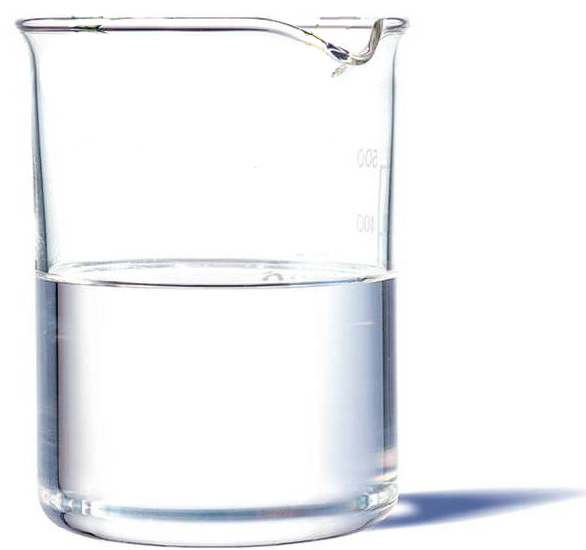
Base Oil
The foundation of every lubricant. Severely hydrotreated base oils are crystal clear, demonstrating their high purity and low aromatic content.
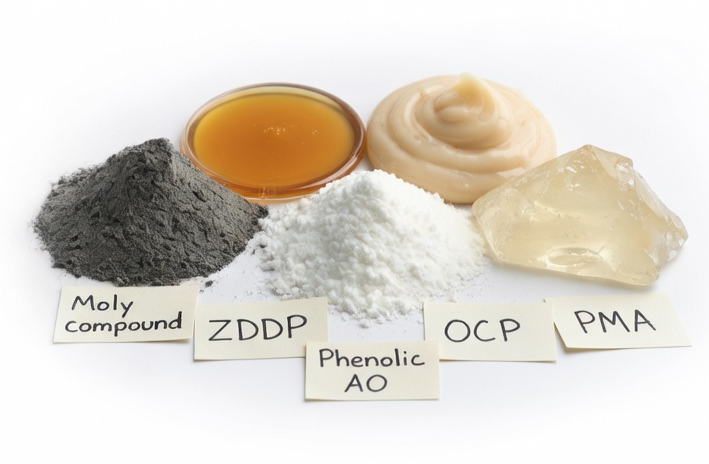
Additive Package
Various additive chemistries are blended to enhance performance: anti-wear agents (ZDDP), antioxidants (Phenolic AO), friction modifiers (Moly), and viscosity modifiers (OCP, PMA).
The Formula for Performance
A typical finished lubricant contains 70-90% base oil and 10-30% additives. The specific combination and concentration of additives varies based on the application requirements, whether it's an engine oil, hydraulic fluid, gear oil, or specialty lubricant.
Understanding Lubricant Additives
To perform the many functions required of a modern lubricant, base oils must be compounded with specially selected chemical additives. The skillful selection of additives formulated with high-quality base oils results in lubricants of outstanding performance.
Metallo-organic compounds that control deposits and keep engine components clean. They clean existing deposits and neutralize acidic contaminants from fuel sulfur and oil oxidation.
Ashless organic chemicals that control contamination from low temperature operation. They attach to contaminant particles like soot and hold them in suspension, preventing sludge formation.
Reduce oxygen attack on the base oil. Severely hydrotreated base oils respond exceptionally well to these additives, resulting in high resistance to oil thickening and corrosive acid buildup.
Compounds like zinc dialkyl-dithiophosphate (ZDDP) that prevent wear by forming a protective chemical film at microscopic hot spots, eliminating metal-to-metal contact.
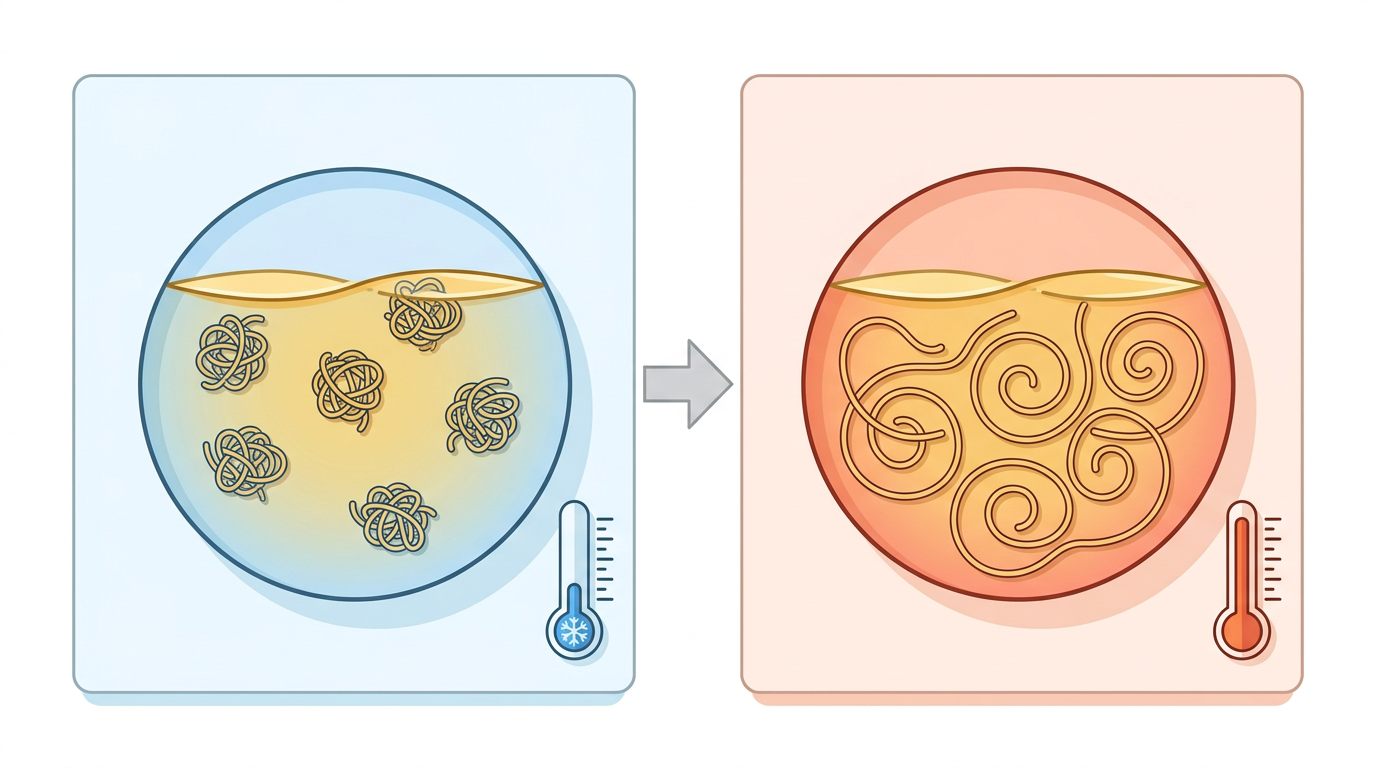
Long-chain polymers that coil and uncoil with temperature changes. At low temperatures they ball up (low resistance to flow), at high temperatures they uncoil to increase viscosity.
Chemicals that reduce the size and rate of wax crystal formation at low temperatures, improving low-temperature fluidity. Severely hydrotreated base oils have minimal waxy materials for superior response.
Corrosion Inhibitors
Protect non-ferrous metals by forming a barrier against acids and environmental attack.
Rust Inhibitors
Protect iron and steel surfaces from oxygen attack by forming a protective screen.
Foam Depressants
Control foaming by reducing surface tension to speed foam collapse.
Friction Modifiers
Form chemical or physical films that reduce friction for improved fuel economy.
Why Base Oil Quality Matters
The quality of the base oil directly impacts lubricant performance. Higher quality base oils respond better to additives and provide superior protection.
Extended Drain Intervals
High Viscosity Index (VI) and excellent oxidation resistance allow lubricants to maintain performance longer, enabling extended drain intervals and reduced maintenance costs.
Improved Fuel Economy
Lower viscosity formulations made possible by high-quality base oils reduce internal engine friction, improving fuel efficiency.
Superior Equipment Protection
High purity base oils leave minimal deposits and provide excellent wear protection, extending equipment life and reducing downtime.
How Viscosity Modifiers Work
Every base oil thins as it heats up. Viscosity modifiers, also called Viscosity Index (VI) improvers, are long-chain polymers that reduce that thinning so one oil can protect at a cold start and at full operating temperature. This is what makes multigrade oils like 10W-30 possible.
The coil and uncoil model
Cold: coiled
At low temperatures the base oil is a poor solvent for the polymer, so each molecule curls into a tight ball. Small coils add very little thickness, so the oil still flows and pumps at start-up.
Hot: uncoiled
As the oil heats up it dissolves the polymer better, and the chains relax and spread out. The expanded coils take up more room and resist flow. That makes up for the base oil thinning, so the film stays thicker at operating temperature.
Worth knowing: this textbook picture fits polymethacrylates (PMA) best. Hydrocarbon polymers like olefin copolymers barely change size with temperature, but they still raise Viscosity Index (VI) because they add more viscosity relative to the base oil at high temperature than at low.
Polymer chemistry has to match the base oil
A viscosity modifier only works if the base oil can dissolve it. Solvency drops as refining increases: Group I keeps some aromatics and dissolves polymers easily, while Group III and PAO (Group IV) are very pure saturated hydrocarbons and dissolve them less readily. Formulators choose the polymer type to suit the base oil and the job.
Linear chain
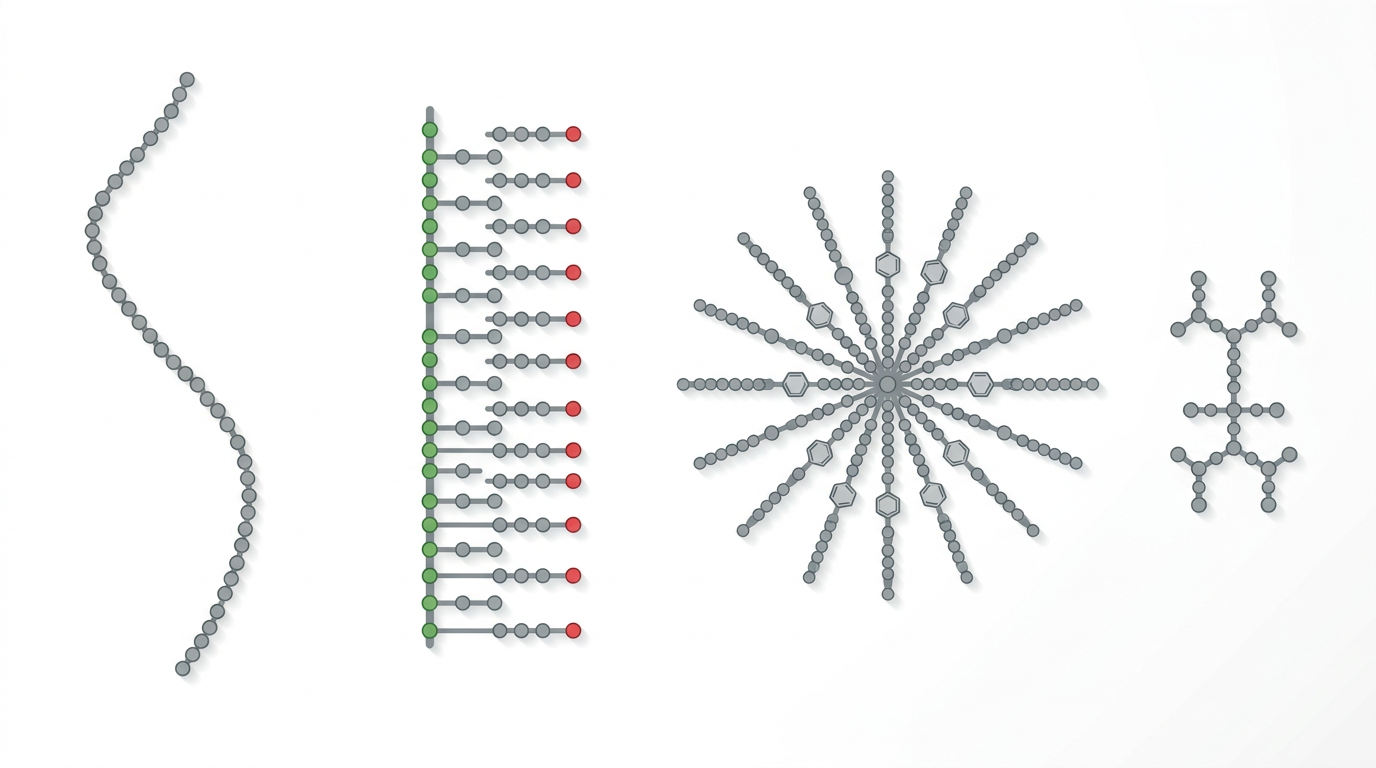
Non-polar ethylene-propylene chains. Cost-effective and very efficient thickeners; coil size stays fairly constant with temperature.
Base oil fit
Dissolves readily across Group I, II, III and PAO, which makes it the most broadly compatible type.
Typical use
Engine oils. Shear stability is lower than star polymers.
Comb polymer
Polar side chains drive the classic coil-expansion effect. Also acts as a pour point depressant for strong cold-flow performance.
Base oil fit
Well suited to low-solvency, highly refined stocks (Group III, PAO), where the cold-to-hot coil change is most pronounced.
Typical use
Hydraulic fluids, automatic transmission fluids and gear oils.
Star polymer
Many arms radiating from a central core. Very shear-stable because the arms can be broken without destroying the whole molecule.
Base oil fit
The styrene (aromatic) segments must be balanced for low-aromatic Group III and PAO stocks to keep the polymer fully dissolved.
Typical use
High-stress engine oils that need to stay in grade.
Short branched chain
Smaller molecules that resist shearing well but give a smaller VI lift than the other types.
Base oil fit
Compatible with mineral Group I and II stocks.
Typical use
Gear oils and applications where shear stability comes first.
Shear matters too. Large polymer molecules can be torn apart in gears, pumps and injectors, which permanently lowers viscosity. The Shear Stability Index (SSI) measures this: bigger molecules thicken more efficiently but shear down more. Mixing polymer types (for example, PMA and OCP) can cause compatibility problems, which is one more reason not to top up with a different product.
Need Help Selecting the Right Lubricant?
Our technical specialists can help you understand which base oil technology and formulation is best suited for your specific application and operating conditions.